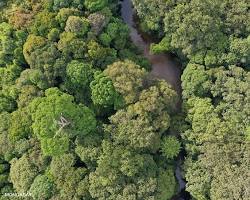
Indonesia’s forests are vital for global biodiversity, acting as critical carbon sinks and playing a crucial role in regulating the Earth’s climate. They are home to a staggering array of plant and animal species, many of which are found nowhere else on Earth. However, these invaluable ecosystems are under severe threat from deforestation, primarily driven by the expansion of agricultural land, particularly for palm oil plantations.
Palm oil, a versatile vegetable oil used in countless products from food to cosmetics, has become a major driver of deforestation in Indonesia. While it provides significant economic benefits, its production often comes at a high environmental and social cost, including habitat loss for endangered species, air and water pollution, and displacement of local communities.
The Indonesian government has implemented various policies to address these challenges, such as sustainable forestry practices, certification schemes for palm oil, and efforts to combat illegal logging. However, the scale of the problem remains significant, and effective enforcement and long-term sustainability remain critical.
Beyond palm oil, Indonesia is a major producer of a wide range of agricultural products, including rubber, coffee, cocoa, and spices. These commodities contribute significantly to the country’s economy and provide livelihoods for millions of Indonesians. However, the agricultural sector also faces challenges such as climate change, soil erosion, and the need to improve productivity and market access for smallholder farmers.
 Maatara Trading