OUR BUSINESS

The Allure of Indonesian Markets
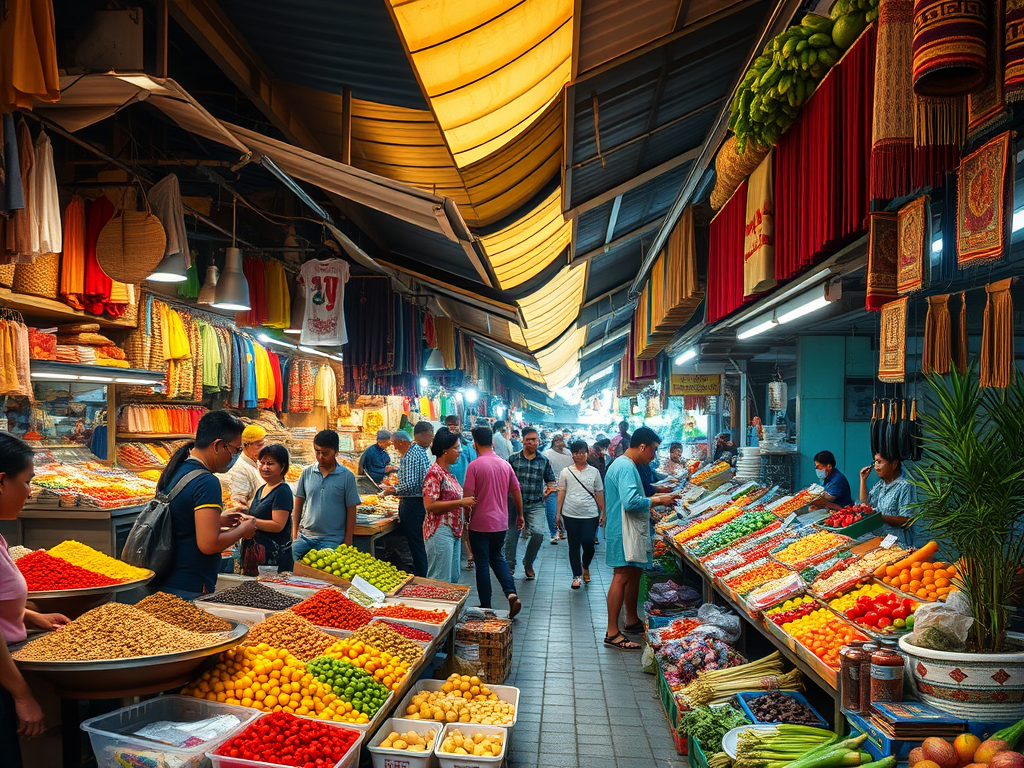
Indonesian markets are a sensory feast. The air buzzes with energy, a symphony of sounds and aromas assaulting the senses. Vendors, with their vibrant attire and infectious enthusiasm, call out to passersby, enticing them with the promise of delicious treats and unique finds. Mountains of colorful fruits and vegetables spill onto the ground, while fragrant spices and pungent herbs fill woven baskets. The market is a microcosm of Indonesian life, a place where locals gather to barter, socialize, and experience the vibrant tapestry of their culture.

From bustling city centers to sleepy villages, markets are woven into the fabric of Indonesian society. They are more than just places to buy groceries; they are social hubs, cultural melting pots, and a testament to the country’s rich culinary heritage. Here, one can witness the art of food preparation, from the intricate process of grinding spices to the skillful grilling of satays. The market is a living museum, showcasing the diversity of Indonesian cuisine and the ingenuity of its people.

Beyond the culinary delights, Indonesian markets offer a glimpse into the country’s vibrant crafts and textiles. Exquisitely woven fabrics, intricate wood carvings, and delicate silver jewelry adorn the stalls, reflecting the artistry and craftsmanship of local artisans. The market is a treasure trove of unique souvenirs, each piece carrying with it a story of the island from which it originated.

Whether you’re a seasoned traveler or a curious first-timer, a visit to an Indonesian market is an unforgettable experience. It’s a chance to immerse yourself in the heart and soul of Indonesian culture, to savor the flavors of the archipelago, and to discover the hidden gems that await you around every corner.

INDONESIA AND AGRICULTURE

Indonesia: A Land of Agricultural Abundance

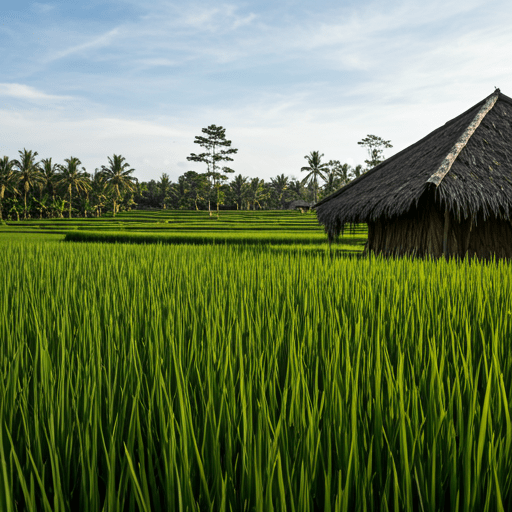
Indonesia, an archipelago nation in Southeast Asia, is renowned for its rich agricultural heritage and diverse landscape. With a tropical climate and fertile soils, the country has long been a significant producer of various agricultural commodities, contributing significantly to its economy and global food supply.

Key Agricultural Products

Indonesia is a leading producer of several agricultural products, including:

  • Rice: Rice is the country’s staple food and a major agricultural product. Indonesia is one of the world’s largest rice producers, ensuring food security for its vast population.
  • Palm Oil: Palm oil is another significant agricultural export from Indonesia. It is widely used in various products, from food to cosmetics. However, the expansion of palm oil plantations has raised environmental concerns due to deforestation and habitat loss.
  • Coffee: Indonesia is a major producer of coffee, particularly Robusta beans. The country’s coffee is known for its rich flavor and aroma, making it a popular choice among coffee lovers worldwide.
  • Rubber: Indonesia is one of the world’s largest rubber producers. Rubber is a vital material used in various industries, including tire manufacturing and automotive production.
  • Spices: Indonesia is also famous for its spices, such as pepper, cloves, nutmeg, and cinnamon. These spices have been traded globally for centuries and continue to be important exports.

Challenges and Opportunities

While Indonesia’s agricultural sector offers significant opportunities, it also faces several challenges, including:

  • Deforestation: The expansion of agricultural land, particularly for palm oil plantations, has led to widespread deforestation, impacting biodiversity and the environment.
  • Climate Change: Climate change poses a significant threat to Indonesia’s agriculture, with rising temperatures and changing rainfall patterns affecting crop yields and production.
  • Low Productivity: Indonesia’s agricultural productivity is relatively low compared to other countries. This can be attributed to factors such as limited access to technology, inadequate infrastructure, and traditional farming practices.
  • Market Access: Smallholder farmers often face challenges in accessing markets and obtaining fair prices for their produce.

Despite these challenges, the Indonesian government is taking steps to modernize the agricultural sector, promote sustainable practices, and improve productivity. By addressing these issues, Indonesia can further strengthen its position as a major agricultural player and ensure food security for its growing population.

INDONESIA & NATURE

Indonesia’s forests are vital for global biodiversity, acting as critical carbon sinks and playing a crucial role in regulating the Earth’s climate. They are home to a staggering array of plant and animal species, many of which are found nowhere else on Earth. However, these invaluable ecosystems are under severe threat from deforestation, primarily driven by the expansion of agricultural land, particularly for palm oil plantations.

Palm oil, a versatile vegetable oil used in countless products from food to cosmetics, has become a major driver of deforestation in Indonesia. While it provides significant economic benefits, its production often comes at a high environmental and social cost, including habitat loss for endangered species, air and water pollution, and displacement of local communities.

The Indonesian government has implemented various policies to address these challenges, such as sustainable forestry practices, certification schemes for palm oil, and efforts to combat illegal logging. However, the scale of the problem remains significant, and effective enforcement and long-term sustainability remain critical.

Beyond palm oil, Indonesia is a major producer of a wide range of agricultural products, including rubber, coffee, cocoa, and spices. These commodities contribute significantly to the country’s economy and provide livelihoods for millions of Indonesians. However, the agricultural sector also faces challenges such as climate change, soil erosion, and the need to improve productivity and market access for smallholder farmers.